Notifications
Posted by Blog Mgr1
Filed in Death Management and Planning 39 views
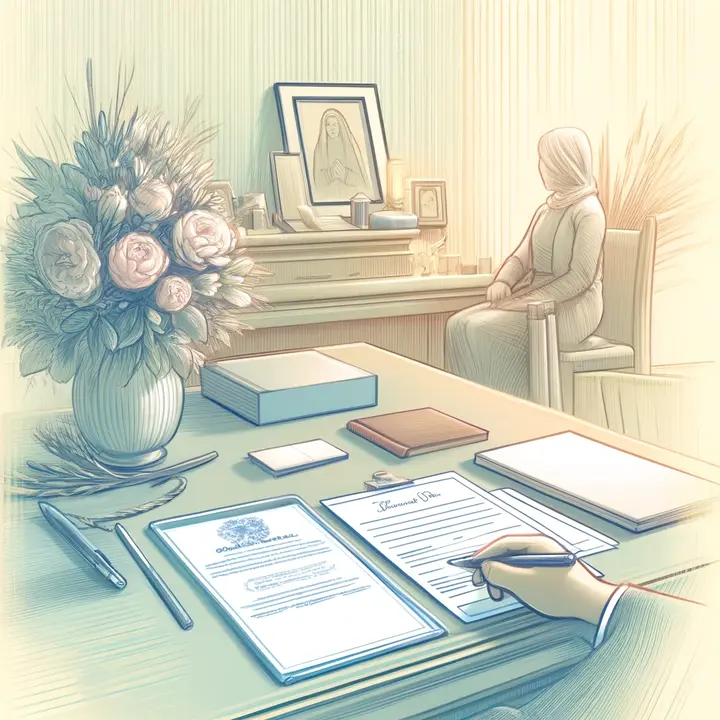
Navigating the Delicate Task of Planning Funeral and Memorial Services
Planning for a funeral, memorial, or other death-related services can be an emotionally challenging time. Not only are you dealing with personal grief, but the responsibility to honor a loved one according to their beliefs and customs often adds an extra layer of sensitivity. Each culture and religion have its own unique practices and traditions, and these can vary significantly even within the same country or region. Here is a friendly guide to help you navigate this planning process with respect and care, while considering religious customs and geographic nuances.
Understanding Religious and Cultural Customs
· Research and Respect Religious Practices: Each religion has specific rituals associated with death. For instance, in Islam, burials are usually held within 24 hours following death and involve specific prayers. In contrast, Hindu traditions typically include a cremation, accompanied by rituals that may last for several days. Understanding these customs through discussions with religious leaders or community elders can be invaluable.
· Consult with a Funeral Director: Many funeral directors are well-versed in handling arrangements that cater to different cultural and religious needs. They can guide you through the logistical aspects while ensuring that all religious rites are respectfully observed.
· Communicate with the Family and Community: Engaging with family members and the community can provide insights into the preferred practices and can help in making decisions that honor the deceased’s and their family’s wishes.
Considering Geographic Nuances
· Local Regulations and Facilities: Different areas may have specific regulations about burial, cremation, and other services. For instance, some regions might have restrictions on burial plots or require specific permits for cremations. Local funeral homes are usually knowledgeable about these regulations and can guide you through the process.
· Accessibility for Attendees: Consider the location’s accessibility for mourners who may be traveling from out of town. This includes proximity to airports, availability of accommodation, and transportation. If many attendees are from a specific cultural or religious background, consider engaging services that cater specifically to those groups.
· Weather and Environment Considerations: In planning outdoor ceremonies, it is important to consider the local weather patterns—like planning for potential rain or extreme heat. Seasonal variations can affect everything from the attire to the length of services held outdoors.
Personalizing Services
· Memorial Services: These services offer a way to honor the deceased outside of traditional religious frameworks and can be personalized to reflect the life and passions of the departed. This could include anything from a gathering in a beloved park to a more formal service in a community hall, featuring music, photos, and eulogies that reflect the person's life and legacy.
· Use of Technology: For families that are spread across the globe, technology can help bridge the distance. Live streaming services or recording the proceedings can make it possible for those who cannot attend in person to be part of the ceremony.
· Aftercare: The period following the service is crucial for emotional healing. Planning aftercare activities like grief counseling, community support groups, or remembrance events can be beneficial for those affected by the loss.
Final Thoughts
While the task of planning these services can be daunting, approaching it with a spirit of respect and sensitivity towards the deceased’s cultural and religious backgrounds will help ensure that their memory is honored in a meaningful way. Remember, it is not just about adhering to tradition but about creating a heartfelt tribute that celebrates the life and values of your loved one.
-Living-Memorial-

Comments