Notifications
Posted by Blog Mgr1
Filed in Grief and Bereavement 48 views
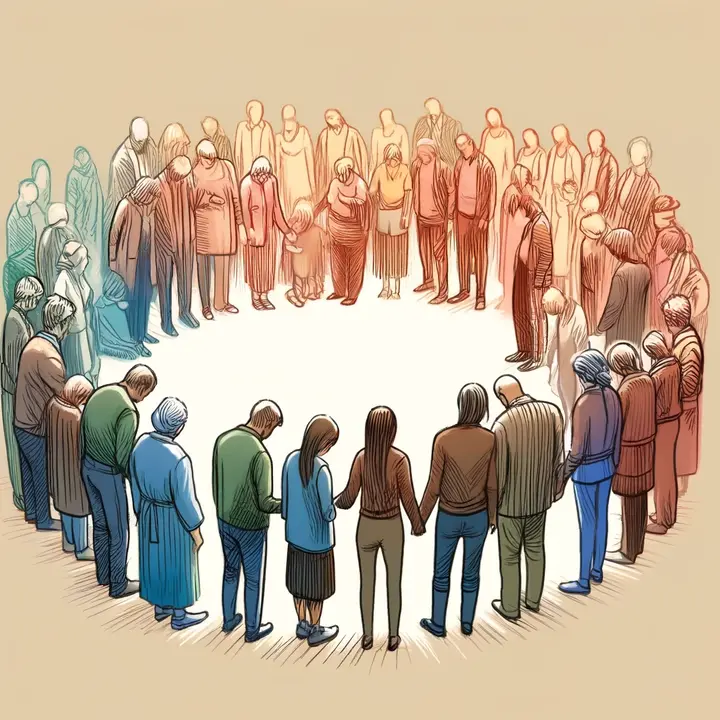
Understanding and Managing Sadness and Bereavement After Loss
Losing someone we love is one of the most heart-wrenching experiences one can go through. The journey of grief is deeply personal and can feel overwhelming. However, there are ways to navigate this challenging time and find solace and eventual healing. This blog aims to provide guidance and practical advice to help you manage your feelings of sadness and bereavement.
Acknowledge Your Grief
· Accept your feelings: Grief can manifest in many forms—sadness, anger, confusion, or even relief, particularly after a prolonged illness. Understanding that these feelings are normal can help you accept them as part of the grieving process.
· 2. Give yourself time: There is no "correct" timeline for grieving. Allow yourself the time you need to experience your emotions fully without pressure to "move on" or "get over" the loss.
Seek Support
· 3. Reach out to others: Sharing your feelings with friends, family, or a grief support group can provide comfort and reassurance. These interactions remind us that we are not alone in our pain.
· 4. Professional help: Sometimes, the intensity of grief can be too much to handle alone. Therapists or counselors who specialize in grief can offer valuable guidance. They provide a safe space to express your feelings and can help you develop strategies to cope with your loss.
Establish Healthy Habits
· 5. Maintain routines: Keeping up with regular daily activities can provide structure and normalcy. This can be as simple as maintaining your meal times, continuing light exercise, or engaging in your usual hobbies.
· 6. Rest and nutrition: Grief can be physically draining. Ensuring you get enough sleep and eat nourishing meals can help sustain your body and mind through the grieving process.
Create Tributes and Memories
· 7. Honor your loved one: Creating a memory book, planting a tree, or other acts of remembrance can provide comfort and a sense of connection to the person who has passed. These tributes can be personal reflections or shared with others in memorial gatherings.
· 8. Allow joy and sadness to coexist: It is okay to find moments of joy or laughter even while you're grieving. Feeling happiness does not diminish the depth of your love or your loss.
Embrace the Future
· 9. Adjust to a new normal: As time passes, the acute pain of loss will shift. Gradually, you will begin to adapt to life without your loved one. This adjustment involves accepting the change in your life while continuing to cherish and remember the person you have lost.
· 10. Keep their legacy alive: Engaging in activities your loved one enjoyed or supporting causes they cared about can keep their spirit alive. This not only honors their memory but can also give you a sense of purpose and connection.
Conclusion
Dealing with the death of a loved one is a profoundly personal experience. While the pain of loss can feel insurmountable, gradually, through embracing your emotions, seeking support, and remembering your loved one, healing becomes possible. It's important to remember that moving forward doesn't mean forgetting—it means finding a way to keep your loved one's memory alive while allowing yourself to live fully.
-Living-Memorial-

Comments